Introduction
Breathing is something we often take for granted. However, when you have trouble breathing, it can affect your daily life. Pulmonary function tests help doctors check how well your lungs work. These breathing tests are important for finding and managing lung problems early. In this blog, you will learn what pulmonary function tests are, why they matter, and how they can help protect your lung health.
What Are Pulmonary Function Tests?
Pulmonary function tests, or PFTs, are a group of tests that measure how well your lungs work. For example, they check how much air you can breathe in and out. They also show how well your lungs move oxygen into your blood. Doctors use these tests to find out if your lungs are healthy or if there is a problem.
Why Pulmonary Function Tests Matter
Pulmonary function tests matter because they help doctors find lung problems early. Early detection means you can get treatment sooner. As a result, you may avoid serious health issues. These tests also help track lung diseases like asthma or chronic obstructive pulmonary disease (COPD). In addition, they show if your treatment is working or if changes are needed. According to the CDC, regular lung testing can improve your quality of life.
Common Types of Pulmonary Function Tests
There are several types of pulmonary function tests. Each test gives different information about your lungs. Some of the most common tests include:
How Pulmonary Function Tests Are Performed
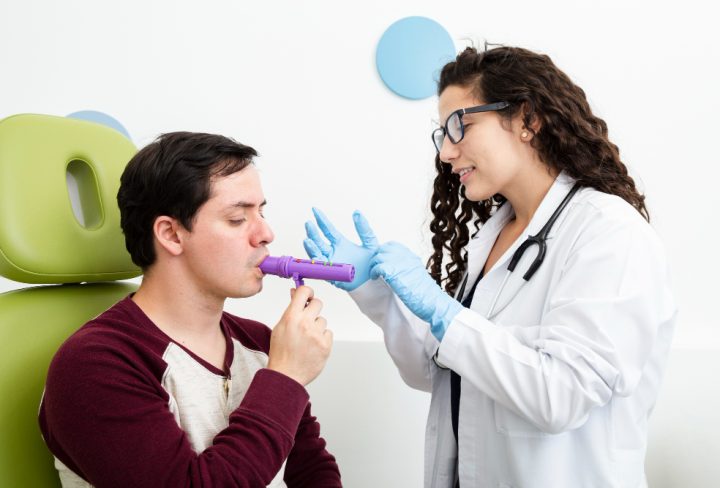
Most pulmonary function tests are simple and painless. Usually, you will sit in a chair and wear a nose clip. Then, you will breathe into a mouthpiece connected to a machine. The machine records your breathing. Sometimes, you may need to sit inside a clear box for certain tests. The whole process often takes less than an hour. Your doctor or a technician will guide you through each step.
Who Should Get Pulmonary Function Tests?
Not everyone needs pulmonary function tests. However, your doctor may suggest them if you:
For children and older adults, these tests can also help monitor lung growth or age-related changes.
Benefits and Limitations
Pulmonary function tests offer many benefits. For instance, they help find lung problems early. They also help doctors choose the best treatment for you. In addition, these tests can track how well your lungs respond to treatment. However, there are some limitations. Sometimes, the results may not be clear if you are sick or do not follow instructions. Also, these tests cannot find every lung problem. Still, they are a key part of checking lung health.
How to Prepare for a Pulmonary Function Test
Preparing for a pulmonary function test is easy. Here are some tips to help you get ready:
With these steps, your test results will be more accurate.
Frequently Asked Questions
Conclusion
Pulmonary function tests are important tools for checking your lung health. They help doctors find problems early and guide treatment. If you have breathing issues or risk factors, talk to your doctor. Consult a pulmonologist for personalized advice about pulmonary function tests.