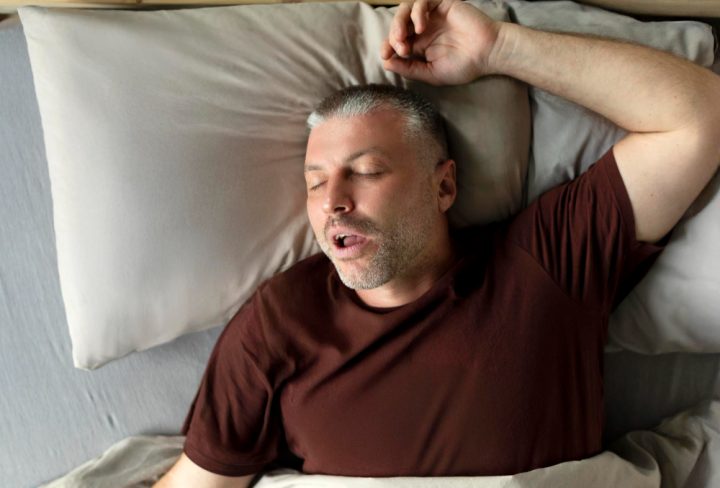
Sleep apnea is a common sleep disorder where breathing stops and starts during sleep. Many people do not realize they have it. However, untreated sleep apnea can lead to serious health problems. Pulmonologists, or lung doctors, play a key role in treating sleep apnea. They are sleep apnea specialists who understand how breathing and sleep are connected. If you want to know how pulmonologists treat sleep apnea or about pulmonology sleep disorders, this guide will help you learn more.
What Is Sleep Apnea?
Sleep apnea happens when your breathing pauses or becomes very shallow while you sleep. These pauses can last a few seconds or even minutes. Often, they happen many times each night. As a result, your body does not get enough oxygen. This can make you feel tired during the day. There are two main types of sleep apnea:
Both types can be harmful if not treated. According to the CDC, sleep apnea affects millions of adults in the United States. But many people do not know they have it.
Why See a Pulmonologist for Sleep Apnea?
Many people wonder why they should see a pulmonologist for sleep apnea. Pulmonologists are doctors who specialize in lung and breathing problems. Because sleep apnea affects your breathing, they are well-trained to help. In addition, pulmonologists often work in sleep centers. They know how to spot signs of sleep apnea and other sleep disorders. If you have trouble sleeping or feel tired during the day, a pulmonologist can help find the cause. They can also suggest the best treatment for you.
How Pulmonologists Diagnose Sleep Apnea
First, pulmonologists will ask about your sleep habits and health history. They may also ask your partner if you snore or stop breathing at night. Next, they might recommend a sleep study. This test is called polysomnography. It records your breathing, heart rate, and oxygen levels while you sleep. Sometimes, you can do this test at home. Other times, you may need to stay overnight at a sleep center. After the test, the pulmonologist reviews the results. Then, they explain what type of sleep apnea you have and how severe it is.
Treatment Options Provided by Pulmonologists
Pulmonologists offer many ways to treat sleep apnea. The right treatment depends on your needs. Common options include:
Because every person is different, pulmonologists will help you choose the best treatment. They also teach you how to use your device or medicine correctly.
Lifestyle Guidance and Ongoing Care
Besides medical treatments, pulmonologists give advice on healthy habits. These changes can make a big difference. For example, they may suggest:
Moreover, pulmonologists provide regular check-ups. They make sure your treatment is working. If you have problems with your device or symptoms return, they can help adjust your care. Ongoing support is important for long-term health.
Prevention and When to Seek Help
Some steps can lower your risk of sleep apnea. For instance, keeping a healthy weight and staying active can help. Also, avoid smoking and limit alcohol. But, if you notice signs like loud snoring, choking during sleep, or feeling very tired during the day, do not wait. It is important to see a sleep apnea specialist or a pulmonologist near you. Early treatment can prevent serious health issues like high blood pressure, heart disease, and stroke. According to the American Academy of Sleep Medicine, getting help early leads to better results.
Takeaway: Pulmonologists play a key role in treating sleep apnea. They diagnose the problem, offer treatments, and provide ongoing care. If you think you may have sleep apnea, consult a pulmonologist for personalized advice on sleep apnea diagnosis and treatment.