Introduction
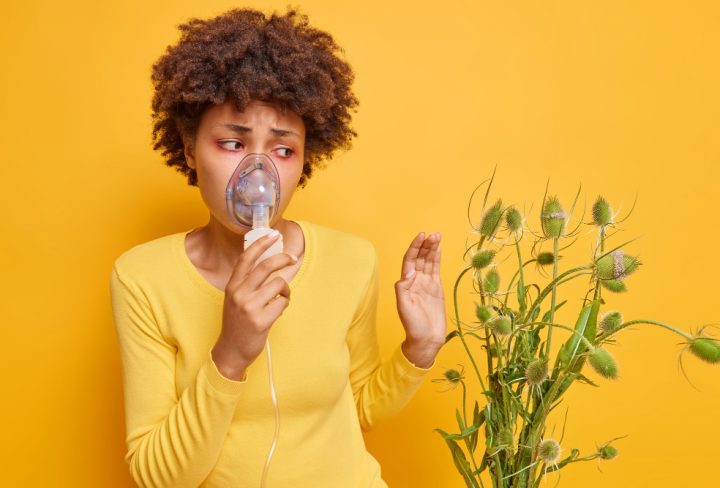
Many people wonder about the link between asthma and allergies. Both conditions affect breathing and can make daily life harder. Asthma is a long-term lung disease. It causes the airways to swell and narrow. Allergies happen when the body reacts to things like pollen, dust, or pet dander. Often, these two problems go hand in hand. In fact, allergies can trigger asthma symptoms. Understanding their connection can help you manage both better.
Common Symptoms
Asthma and allergies share some signs. However, each has unique symptoms too. Knowing what to look for can help you get the right care. For example, you might notice:
Sometimes, allergy symptoms come first. Then, asthma symptoms may follow. This is why it is important to watch for both.
Causes and Risk Factors
Asthma and allergies often run in families. If your parents have either condition, you may be at higher risk. But, other factors play a role as well. For instance, you may develop symptoms if you:
According to the CDC, children are more likely to develop asthma if they have allergies. However, adults can develop both conditions too.
How Allergies Trigger Asthma
Allergies can make asthma worse. When you breathe in something you are allergic to, your body reacts. This reaction can cause swelling in your airways. As a result, it becomes harder to breathe. For many people, this is called allergic asthma. Common triggers include:
Because these triggers are common, it is important to know what sets off your symptoms. Then, you can take steps to avoid them.
Diagnosis and Testing
If you have symptoms of asthma or allergies, see a doctor. Early diagnosis can help you manage both conditions. Your doctor may:
With the right tests, your doctor can find out what triggers your symptoms. This helps create a treatment plan that works for you.
Treatment Options
Treating asthma and allergies often goes hand in hand. Your doctor may suggest:
Because each person is different, your treatment may change over time. Always follow your doctor’s advice for the best results.
Lifestyle Tips and Prevention
Simple changes can help you control asthma and allergies. For example, you can:
With these steps, you may notice fewer symptoms. However, always talk to your doctor before making big changes.
When to See a Doctor
Sometimes, asthma or allergy symptoms can get worse quickly. Seek medical help if you:
Early treatment can prevent serious problems. Therefore, do not wait if you feel unwell.
Conclusion
Asthma and allergies are closely linked. Knowing how they affect each other can help you stay healthy. With the right care, you can control your symptoms and enjoy life. Consult a healthcare specialist for personalized guidance on managing asthma and allergies.