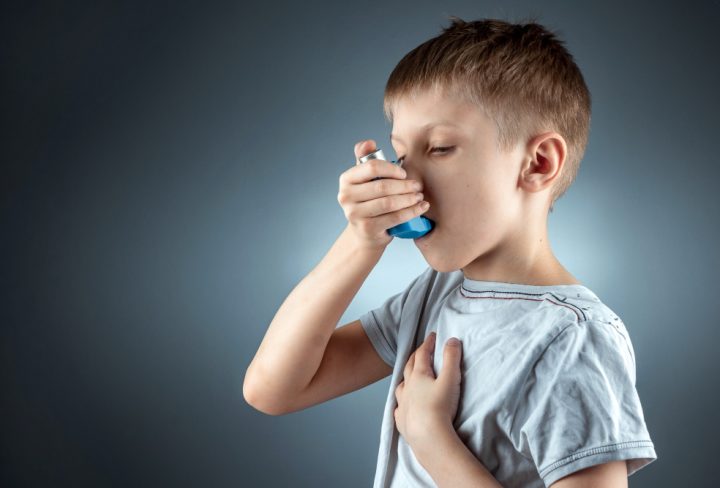
An asthma attack in children can be scary for both kids and parents. Asthma is a condition where the airways in the lungs become swollen and narrow. During an attack, it becomes hard for a child to breathe. Because childhood asthma symptoms can be mild or severe, it is important to know how to recognize asthma attack in kids. Early action can help prevent serious problems. This guide explains symptoms, causes, diagnosis, emergency asthma treatment for children, and tips for prevention.
Symptoms of Asthma Attack in Children
Recognizing the signs of an asthma attack in children is very important. Sometimes, symptoms start slowly. Other times, they appear suddenly. Knowing both common and severe symptoms helps you act quickly.
For example, if your child is coughing more at night or after playing, it could be a warning sign. But if you notice blue lips or trouble speaking, seek help right away.
Causes and Triggers
Asthma attacks in children often have clear causes or triggers. However, each child may react to different things. Understanding these can help you prevent attacks.
In addition, stress or strong emotions can sometimes trigger asthma symptoms in kids.
Diagnosis
Doctors use several steps to diagnose asthma attacks in children. First, they ask about symptoms and family history. Next, they do a physical exam. Sometimes, they use special tests to check how well the lungs work.
Because young children may not be able to do these tests, doctors often rely on symptoms and response to asthma medicine. According to the CDC, early diagnosis helps manage asthma better and reduces emergency visits.
Treatment and Emergency Response
If your child has an asthma attack, quick action is important. Always follow your doctor’s asthma action plan. However, if you do not have one, take these steps:
Seek emergency asthma treatment for children if:
Doctors may use other medicines, oxygen, or hospital care for severe attacks. The World Health Organization recommends always having an emergency plan for children with asthma.
Prevention and Lifestyle Tips
Preventing asthma attacks in children is possible with some simple steps. Parents can help manage asthma at home by:
Additionally, keeping a symptom diary can help spot patterns and prevent future attacks.
When to Consult a Doctor
It is important to know when to seek medical advice. Contact your doctor if:
For any emergency signs, such as blue lips or trouble breathing, call for help right away. Regular doctor visits help keep asthma under control and reduce risks.
Conclusion and Call-to-Action
In summary, knowing the symptoms, causes, and treatment of asthma attack in children can save lives. Early action and prevention make a big difference. If you have concerns about your child’s asthma, consult your doctor or a specialist for personalized advice.