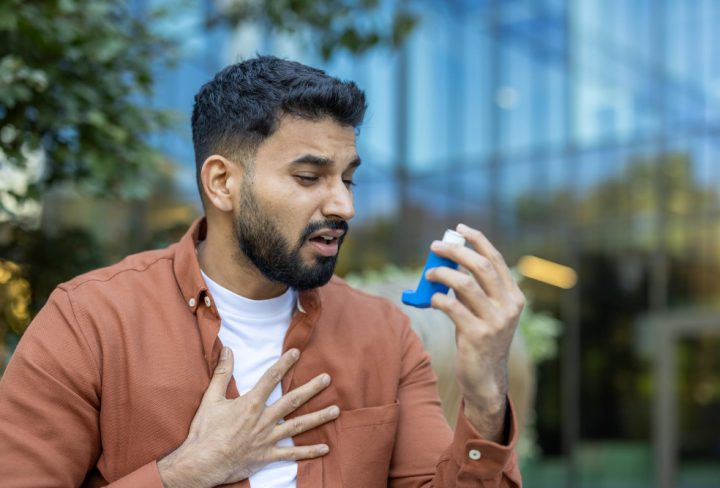
Overview of COPD and Asthma
Many people wonder about the difference between COPD and asthma symptoms. Both are lung diseases, but they are not the same. COPD stands for Chronic Obstructive Pulmonary Disease. It is a long-term illness that makes it hard to breathe. Asthma is also a lung problem, but it often starts in childhood. It causes the airways to swell and narrow. While both conditions affect breathing, their symptoms and causes are different. This blog will help you understand COPD vs asthma: key differences in symptoms.
Key Differences in Symptoms
Although COPD and asthma both cause breathing problems, their symptoms are not always alike. Knowing these differences can help you spot each condition. Here are the main ways their symptoms differ:
How to Recognize Each Condition
Because symptoms can overlap, it is important to know how to tell COPD from asthma. For example, if you have a long history of smoking and daily cough with mucus, COPD is more likely. On the other hand, if you have allergies and your symptoms come and go, asthma may be the cause. Additionally, asthma often starts in children or young adults, while COPD usually affects older adults. If you notice your symptoms change with the seasons or after exercise, asthma could be the reason. But if your symptoms are steady and get worse over time, COPD might be the cause.
When to Seek Medical Help
Sometimes, it can be hard to know when to see a doctor. However, you should seek help if you have:
Early treatment can help you manage both COPD and asthma better. According to the CDC, seeing a doctor early can prevent serious problems.
Prevention and Lifestyle Tips
While you cannot always prevent these conditions, you can lower your risk. Here are some tips:
In addition, following your doctor’s advice and taking medicines as prescribed can help control symptoms. The World Health Organization also suggests avoiding air pollution when possible.
In summary, knowing the difference between COPD and asthma symptoms can help you get the right care. If you notice any symptoms, consult a pulmonologist for personalized advice.