What is Asthma?
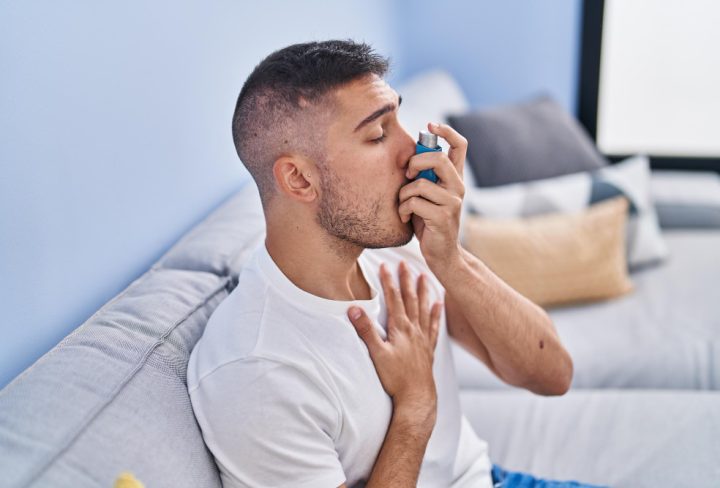
Asthma is a long-term lung condition. It makes breathing hard for many people. When you have asthma, your airways become swollen. This swelling can make it tough to breathe. According to the CDC, millions of people worldwide live with asthma. While there is no cure, you can control asthma with the right care.
Common Asthma Triggers
Asthma triggers are things that can start or worsen asthma symptoms. Knowing your asthma triggers is key to managing your health. Some triggers are found indoors, while others are outside. Here are some common asthma triggers:
How Asthma Triggers Cause Attacks
When you come into contact with an asthma trigger, your airways react. For example, they may swell and produce extra mucus. This makes it hard for air to move in and out of your lungs. As a result, you may start to cough, wheeze, or feel short of breath. Sometimes, these symptoms can lead to a full asthma attack. According to the WHO, avoiding triggers can help prevent many attacks.
Identifying Your Personal Triggers
Everyone’s asthma is different. Therefore, it is important to find out what triggers your symptoms. You can keep a diary to track when your asthma gets worse. Note where you were, what you were doing, and what was around you. Over time, you may see patterns. For instance, you might notice more symptoms during pollen season or after cleaning the house. Sharing this diary with your doctor can help you find your personal asthma triggers.
Managing Asthma Triggers
Once you know your triggers, you can take steps to avoid them. Here are some ways to manage asthma triggers:
Preventing Asthma Attacks
Preventing asthma attacks is possible with the right steps. First, always take your asthma medicine as prescribed. Next, make an asthma action plan with your doctor. This plan should tell you what to do if symptoms get worse. Also, get a yearly flu shot, as infections can trigger attacks. If you live in a city, try to avoid outdoor exercise on days with high air pollution. With these steps, you can lower your risk of asthma attacks.
Lifestyle Tips for Asthma Control
Healthy habits can make a big difference in asthma control. Here are some lifestyle tips:
By following these tips, you can help keep your asthma under control every day.
When to Seek Medical Help
Sometimes, asthma symptoms can get worse quickly. If you notice any of these signs, seek medical help right away:
Even if you manage your asthma well, emergencies can happen. Therefore, always have your rescue inhaler nearby and know when to call for help.
For personalized asthma management advice, consult a healthcare specialist. They can help you create a plan that fits your needs.