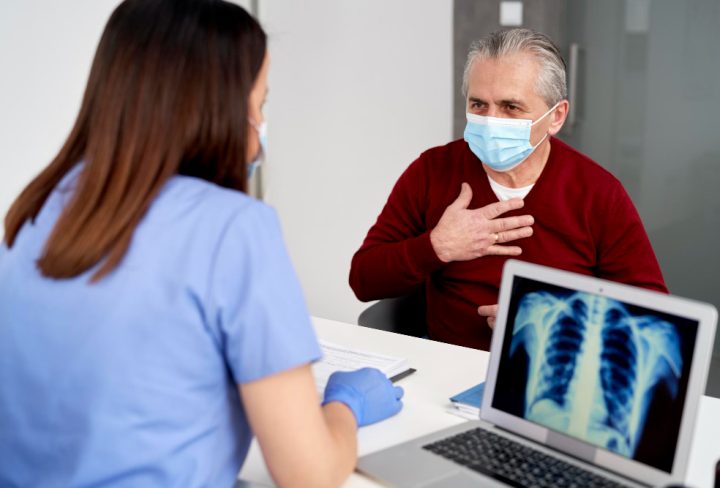
What Is Lung Cancer?
Lung cancer is a disease where cells in the lungs grow out of control. These cells can form a lump, called a tumor. Over time, the tumor can spread to other parts of the body. According to the World Health Organization, lung cancer is one of the most common cancers worldwide. Because it often grows quietly, many people do not notice symptoms until the cancer is advanced. For this reason, lung cancer screening is very important.
Why Is Early Detection Important?
Early detection of lung cancer can save lives. When doctors find lung cancer early, treatment works better. In fact, people have a higher chance of survival if the cancer is found before it spreads. For example, the Centers for Disease Control and Prevention (CDC) says early detection can lower the risk of dying from lung cancer. So, getting screened can make a big difference.
Who Should Consider Lung Cancer Screening?
Not everyone needs lung cancer screening. However, some people have a higher risk. You should consider screening if you:
Doctors use these guidelines to decide who may benefit most. If you are unsure, ask your healthcare provider about your lung cancer risk factors.
Common Screening Methods
The main test for lung cancer screening is called a low-dose computed tomography (LDCT) scan. This scan uses a small amount of radiation to take pictures of your lungs. Unlike regular X-rays, LDCT can find small spots that may be cancer. The test is quick and painless. Usually, you do not need to stay in the hospital for this test.
Benefits and Potential Risks of Screening
Lung cancer screening has many benefits. For instance, it can:
However, there are also some risks. Sometimes, the scan may find spots that are not cancer. This can lead to more tests or worry. Rarely, the scan may miss a cancer. Also, the test uses a small amount of radiation. Even so, the benefits often outweigh the risks for people at high risk.
How to Prepare for a Screening
Preparing for lung cancer screening is simple. First, talk to your doctor about your risk factors. Next, follow any instructions your healthcare provider gives you. Usually, you do not need to fast or change your routine. Wear comfortable clothing on the day of your scan. Bring a list of your medicines if needed. After the scan, your doctor will discuss the results with you.
Prevention Tips and Healthy Lifestyle Guidance
While screening is important, prevention is even better. You can lower your risk of lung cancer by:
Additionally, regular check-ups help catch problems early. If you have questions about your risk, ask your doctor for advice.
Conclusion: Take Charge of Your Lung Health
Lung cancer screening and early detection can save lives. If you are at risk, talk to your healthcare provider. They can help you decide if screening is right for you. Remember, healthy choices and regular check-ups are key to protecting your lungs.
Consult a healthcare professional to learn if lung cancer screening is right for you.