What Are Lung Nodules?
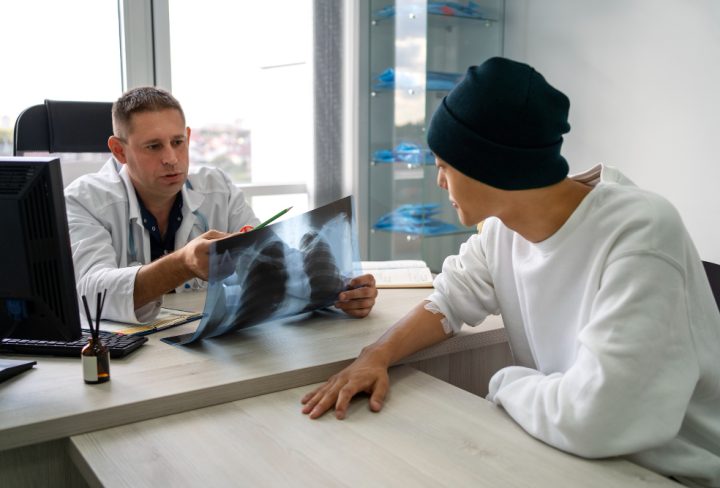
Lung nodules are small, round spots that appear on the lungs. Doctors often find these spots during chest X-rays or CT scans. Many people call them pulmonary nodules or small spots on lungs. Most lung nodules are less than 3 centimeters wide. In many cases, these spots are not cancer. They are called benign lung nodules. However, some nodules may need more tests to rule out serious problems.
Common Symptoms
Usually, lung nodules do not cause any symptoms. Most people do not feel sick or notice any changes. Often, doctors find these nodules by chance during scans for other reasons. Still, some people may notice signs if the nodule is large or linked to other lung problems. For example, you may have:
But remember, these symptoms can be caused by many other conditions too.
Causes and Risk Factors
There are many reasons why lung nodules form. Some causes are harmless, while others need more care. Common causes include:
Several risk factors can increase your chance of having lung nodules. For instance, smoking, being older, or having a history of cancer can raise your risk. Living in areas with high air pollution or certain infections may also play a role.
How Lung Nodules Are Diagnosed
Doctors often find lung nodules on chest X-rays or CT scans. If a nodule is found, your doctor may suggest more tests. These can help find out if the spot is harmless or needs treatment. Tests may include:
In many cases, doctors watch the nodule over time. They may repeat scans to see if it changes.
Treatment Options
Most lung nodules do not need treatment. If the nodule is small and does not grow, doctors may only monitor it. However, if the nodule is large or changes over time, more steps may be needed. Treatment options include:
Your doctor will choose the best plan based on your health and test results.
Prevention and Monitoring
While you cannot prevent all lung nodules, you can lower your risk. For example, you can:
Doctors may suggest regular scans if you have a higher risk. This helps catch any changes early.
When to See a Doctor
If you have a cough that lasts, chest pain, or trouble breathing, see a doctor. Also, if you cough up blood or have a history of cancer, seek medical help right away. Early care can help find problems before they get worse.
If you have concerns about lung nodules, consult a pulmonologist for personalized advice.