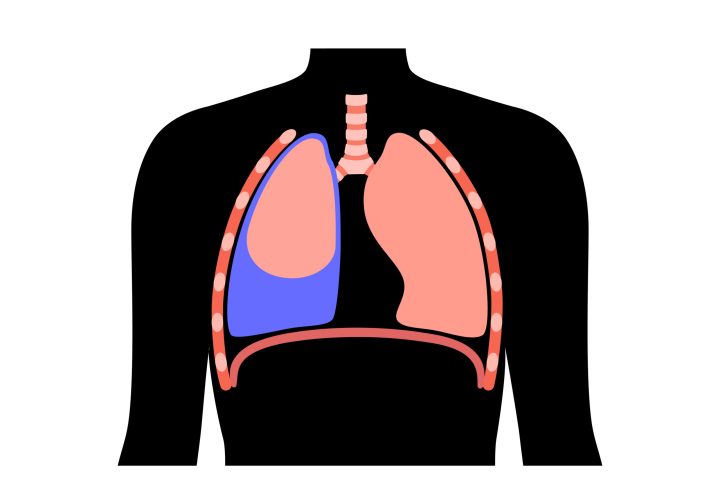
What Is Pleural Effusion?
Pleural effusion is a health condition where extra fluid builds up between the layers of tissue around your lungs. Normally, these layers have a small amount of fluid to help your lungs move smoothly. However, too much fluid can make it hard to breathe. This problem is sometimes called “fluid in the lungs,” but the fluid actually collects outside the lungs, in the chest cavity. Pleural effusion can affect people of any age. Because it can be a sign of a serious illness, it is important to know what to look for.
Causes of Pleural Effusion
There are many causes of pleural effusion. Some are common, while others are less frequent. Knowing the cause helps doctors choose the right treatment. Below are some of the main reasons why pleural effusion can happen:
In addition, there are less common causes, such as:
Because pleural effusion can have many causes, doctors often run tests to find out why it happened.
Symptoms of Pleural Effusion
Many people with pleural effusion notice symptoms as the fluid builds up. However, some people may not feel anything at first. It is important to watch for signs, especially if you have a health condition that increases your risk. Common pleural effusion symptoms include:
Sometimes, the symptoms can be mild. But as more fluid collects, breathing can become harder. For example, you may notice you cannot walk as far as before. Or, you may wake up at night feeling out of breath. If you have any of these symptoms, it is important to talk to a doctor. Early treatment can help prevent problems.
When to Seek Help
Pleural effusion can be a sign of a serious health issue. Therefore, you should not ignore symptoms like trouble breathing or chest pain. If you notice signs of pleural effusion, consult a healthcare professional for personalized advice. Quick action can help you feel better and avoid complications.